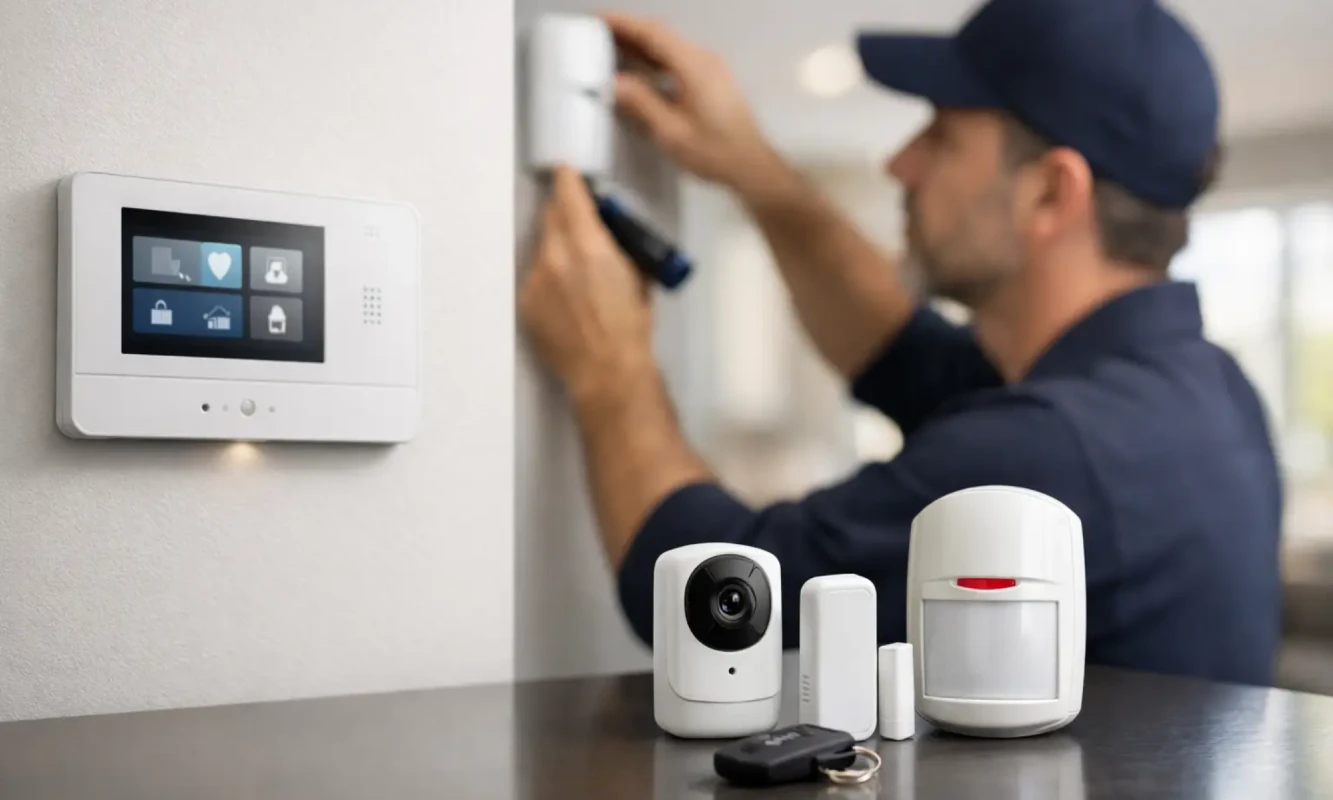
A strong security plan should not begin by buying the most equipment. Residential home security systems in Encino work best when protection starts with the areas that create the greatest exposure. That means identifying where someone can approach unnoticed, which openings are easiest to reach, and how quickly unusual activity can be detected.
SecureIt Homes approaches security as a sequence of priorities rather than disconnected devices. Homeowners can then focus protection where it can make the greatest difference.
What Residential Home Security Systems in Encino Should Protect First
The perimeter should usually be reviewed first because it offers the earliest opportunity to detect movement before someone reaches the house.
Residential home security systems in Encino should therefore consider early awareness before interior protection. Cameras, lighting, sensors, and controlled gates can help reveal movement before a person reaches the house.
Why Residential Home Security Systems in Encino Start with Exposure
Not every section of a property deserves equal attention. A front entrance visible from the street may present less opportunity than a rear gate hidden by landscaping. Priority should be based on exposure, visibility, accessibility, and how quickly someone could move toward the home.
SecureIt Homes helps homeowners separate high-risk areas from lower-priority ones so security spending is focused where it matters most.
What a Residential Security System in Encino Should Protect Next
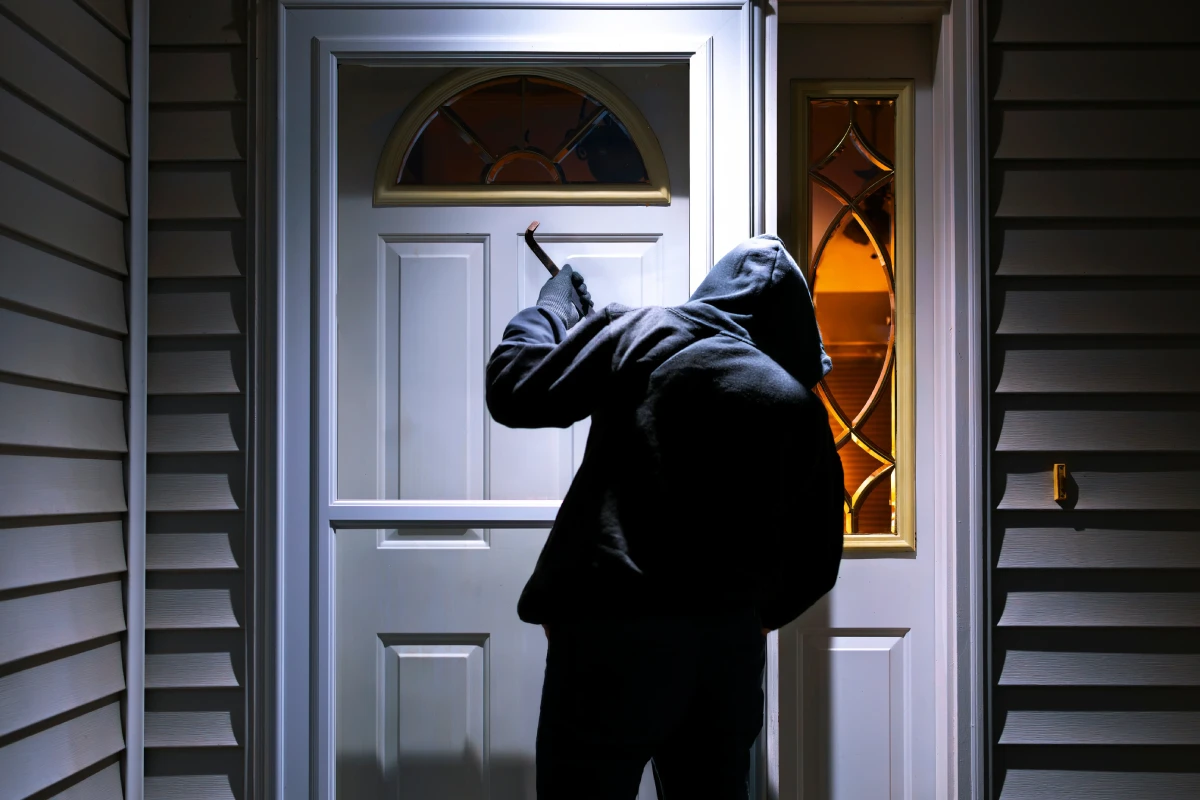
After the perimeter, the next priority is the building envelope. Doors, windows, garage access, sliding glass doors, and side entrances are where exterior access becomes interior entry.
A residential security system in Encino should strengthen these areas with measures suited to each opening, including stronger locks, door reinforcement, sensors, cameras, or glass protection.
Priority entry points often include:
- Rear and side doors
- Garage-to-house doors
- Ground-level windows
- Sliding patio doors
- Door sidelights
- Openings hidden from view
The goal is to make reachable openings harder to exploit while ensuring attempted access is detected quickly.
How a Residential Security System in Encino Prioritizes Detection
Detection is more useful when it happens before forced entry succeeds. Instead of relying only on an interior alarm, homeowners can place security measures along likely approach routes and around high-risk access points.
SecureIt Homes considers how exterior awareness, entry sensors, surveillance, and physical reinforcement support one another. A residential security system in Encino should create enough warning and resistance to give occupants or monitoring services time to respond.
When Should Interior Protection Become a Priority?
Interior protection matters, but it should not compensate for weak exterior layers. Once perimeter and entry vulnerabilities are addressed, homeowners can evaluate interior cameras, protected rooms, communication options, and access control for sensitive areas.
Residential home security systems in Encino are stronger when each layer has a clear job. Exterior measures detect and discourage. Entry protection slows access. Interior measures provide awareness and added protection if someone gets inside.
Build Security in the Order Threats Reach Your Home
The smartest plan follows the path a threat would take: property boundary, approach route, exterior opening, then interior space. This keeps homeowners from overspending on later-stage protection while earlier vulnerabilities remain exposed.
Let SecureIt Homes map those priorities around the property itself. If you are evaluating a residential security system in Encino, build protection in the order risk arrives, so every layer supports the next instead of leaving expensive gaps behind.
FAQs
Q1: Should cameras always be the first upgrade?
Not necessarily. The first improvement should address the property’s most significant exposure, which may involve lighting, access control, detection, or reinforcement.
Q2: Are side yards usually high-risk areas?
They can be, especially when walls, landscaping, or distance from the street reduce visibility.
Q3: Should every window receive the same protection?
No. Easily accessible or concealed windows often deserve higher priority than upper-level or highly visible ones.
Q4: Is exterior lighting part of security planning?
Yes. Better illumination can reduce concealment and improve camera visibility around approach routes.
Q5: How often should priorities be reviewed?
Reassess after renovations, landscaping changes, new entry points, security incidents, or major changes in how the property is used.








.webp)