The term "residential-grade" gets used constantly when homeowners shop for security equipment, and it sounds like a meaningful quality marker. In practice, it's a fairly loose label that says very little about how well a system actually performs. Home security systems in Encino marketed this way can vary enormously in build quality, response reliability, and installation standards, despite carrying the exact same label on the box.
What "Residential-Grade" Doesn't Actually Guarantee
The phrase generally just means a product wasn't built for commercial or industrial use, which is a far lower bar than most homeowners assume when they see it on a spec sheet. It says nothing about camera resolution in low light, how a sensor performs during a power outage, or whether the wireless signal has any backup if it gets disrupted.
Where the Real Differences Actually Show Up
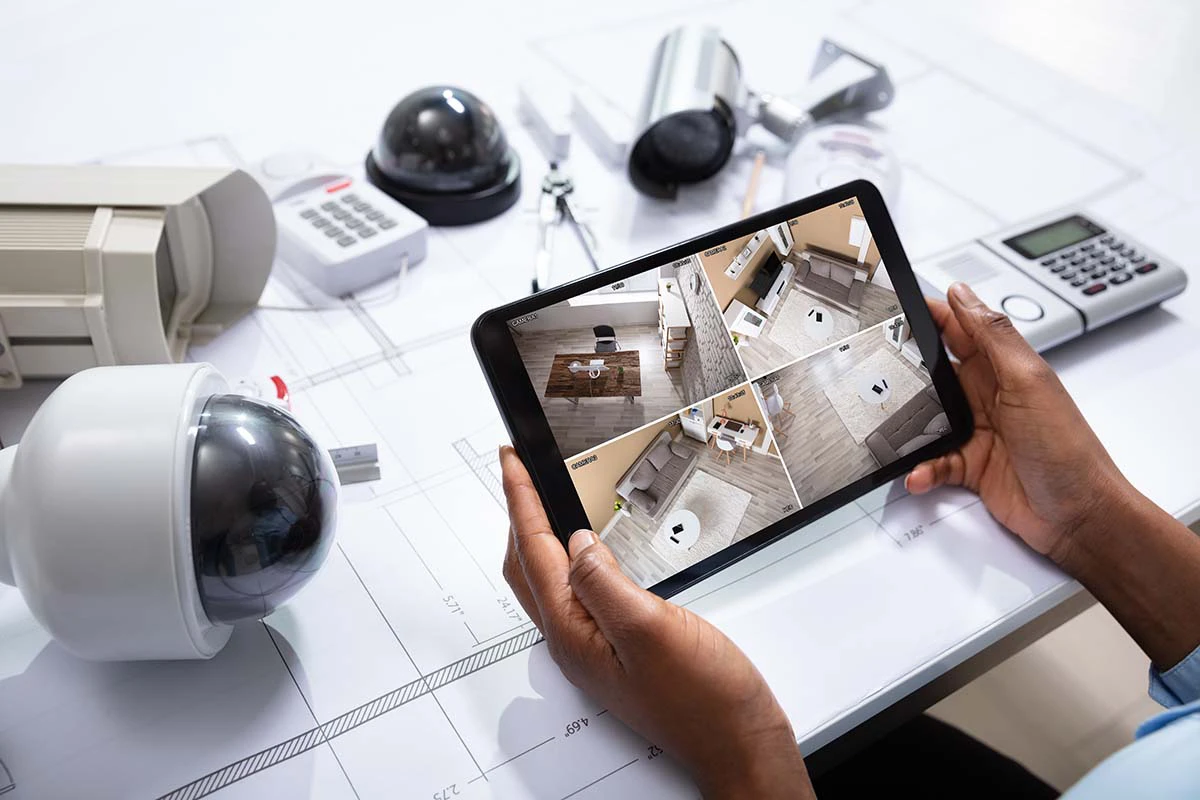
Two systems can both be labeled residential-grade and still perform completely differently once real conditions test them. Residential home security systems in Encino that include local storage backup, wired redundancy, and properly rated outdoor housings hold up in situations where a lower-tier system, carrying the identical label, simply fails.
Installation Quality Matters More Than the Label on the Box
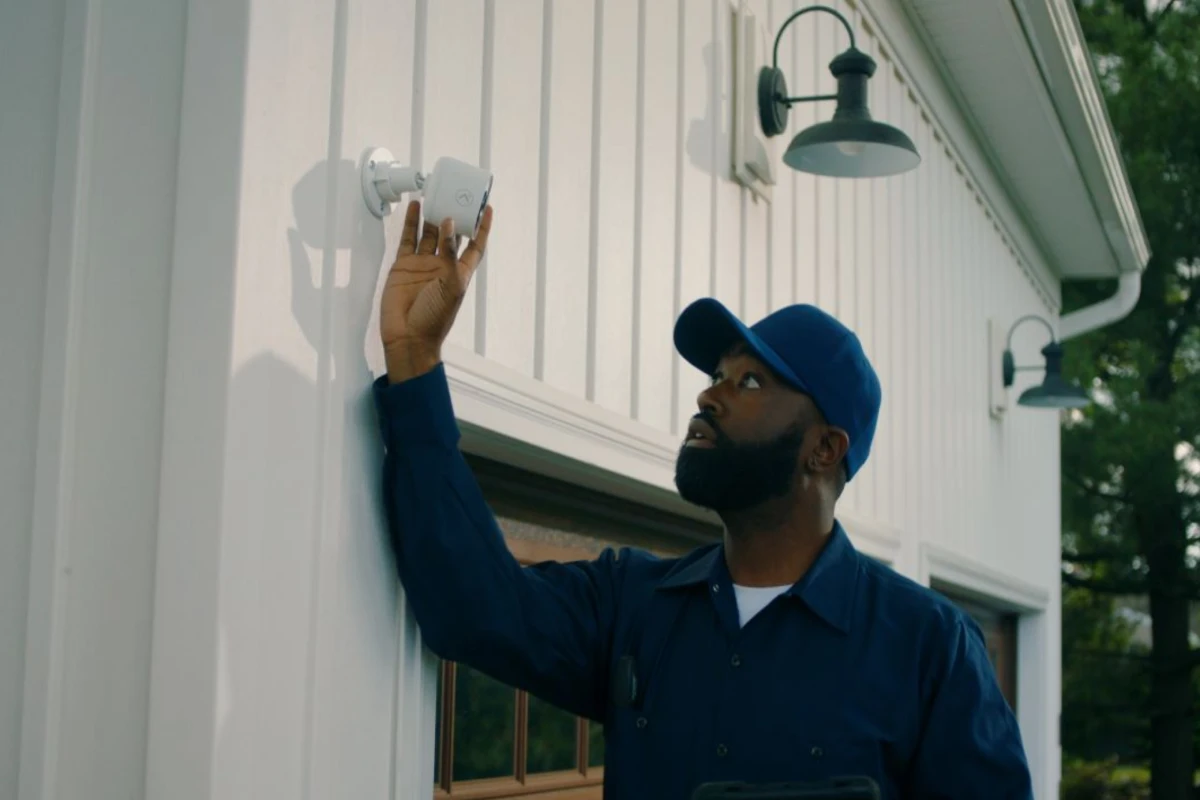
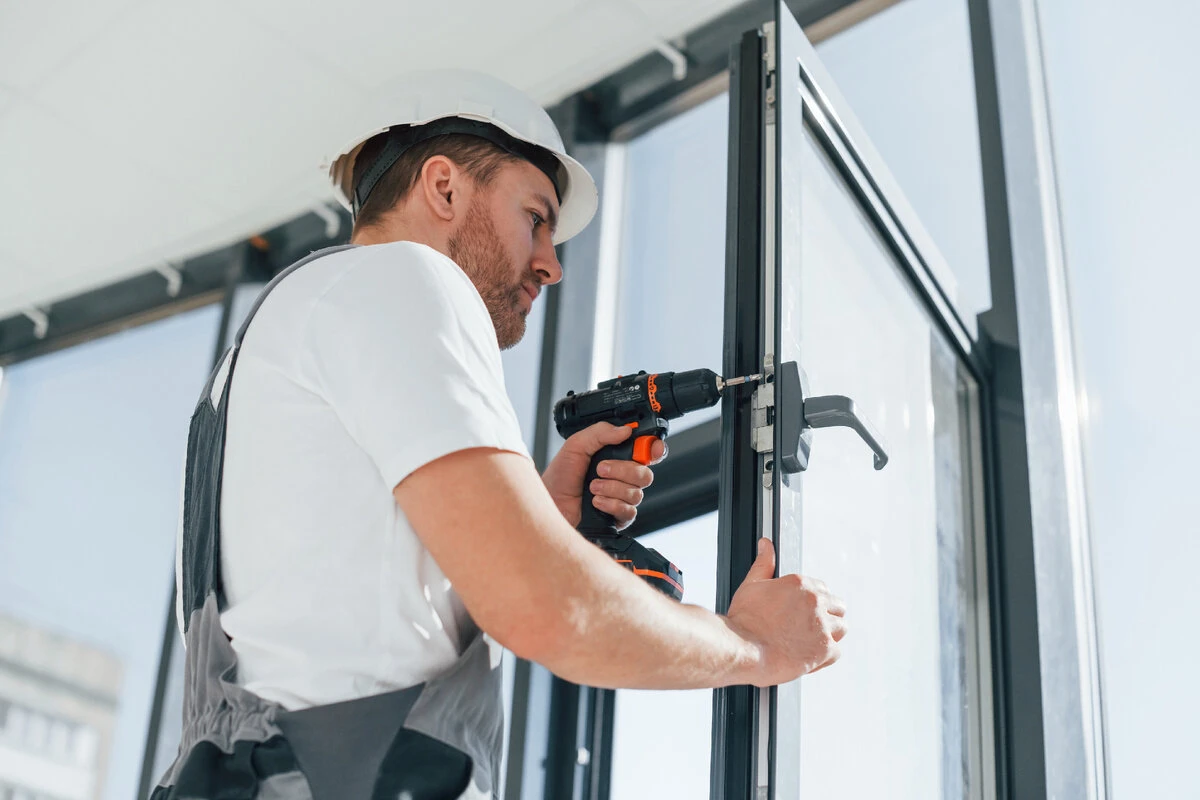
Even a genuinely well-built system underperforms if it's installed poorly, sensors are placed with inadequate coverage, cameras are mounted at angles that miss key approach points, or wiring is run without proper protection from the elements. Home security systems in Encino installed by a team that actually walks the property's specific layout tend to outperform higher-priced equipment installed carelessly by comparison.
The Questions That Actually Reveal Quality
Asking a provider directly what "residential-grade" means for their specific residential home security systems in Encino tends to be far more useful than trusting the label itself. Questions about backup power, storage redundancy, and outdoor housing ratings usually reveal, fairly quickly, whether a system was genuinely built for reliability or just priced to sound reassuring.
Why Local Installation Experience Still Matters
Systems installed by a team familiar with the area's specific housing styles and typical vulnerabilities tend to be positioned more effectively than a generic national installation crew following a standard checklist regardless of the property in front of them.
A System Judged by Performance, Not a Label
The label on a box rarely tells the full story of how a security system actually performs once it's installed and tested under real conditions. SecureIt Homes builds every installation around backup power, storage redundancy, and properly rated equipment, not just whatever carries a "residential-grade" sticker. Home security systems in Encino handled this way are judged by how they perform, not by marketing language on a spec sheet. Call for a free evaluation and see what your current setup would actually hold up to.
FAQs
Q: Does "residential-grade" mean a security system meets a specific quality standard?
A: Not really; the term mainly indicates a product wasn't built for commercial use, which is a fairly low bar. It says little about actual performance under real conditions.
Q: What should I ask about instead of relying on the "residential-grade" label?
A: Ask specifically about backup power, local storage redundancy, and outdoor housing ratings. These details reveal far more about reliability than a generic marketing term.
Q: Can two systems with the same label perform very differently?
A: Yes, build quality, storage options, and weatherproofing can vary significantly even within the same general category. The label alone doesn't account for any of these differences.
Q: Does installation quality matter as much as the equipment itself?
A: It often matters more, since even well-built equipment underperforms if it's installed with poor sensor placement or camera angles. A careful installation can outperform pricier equipment installed carelessly.
Q: Is it worth paying more for equipment with wired backup instead of wireless only?
A: For many households, yes, since wired backup keeps a system functioning if the wireless connection is disrupted. Whether it's worth the added cost depends on the specific risks at that property.