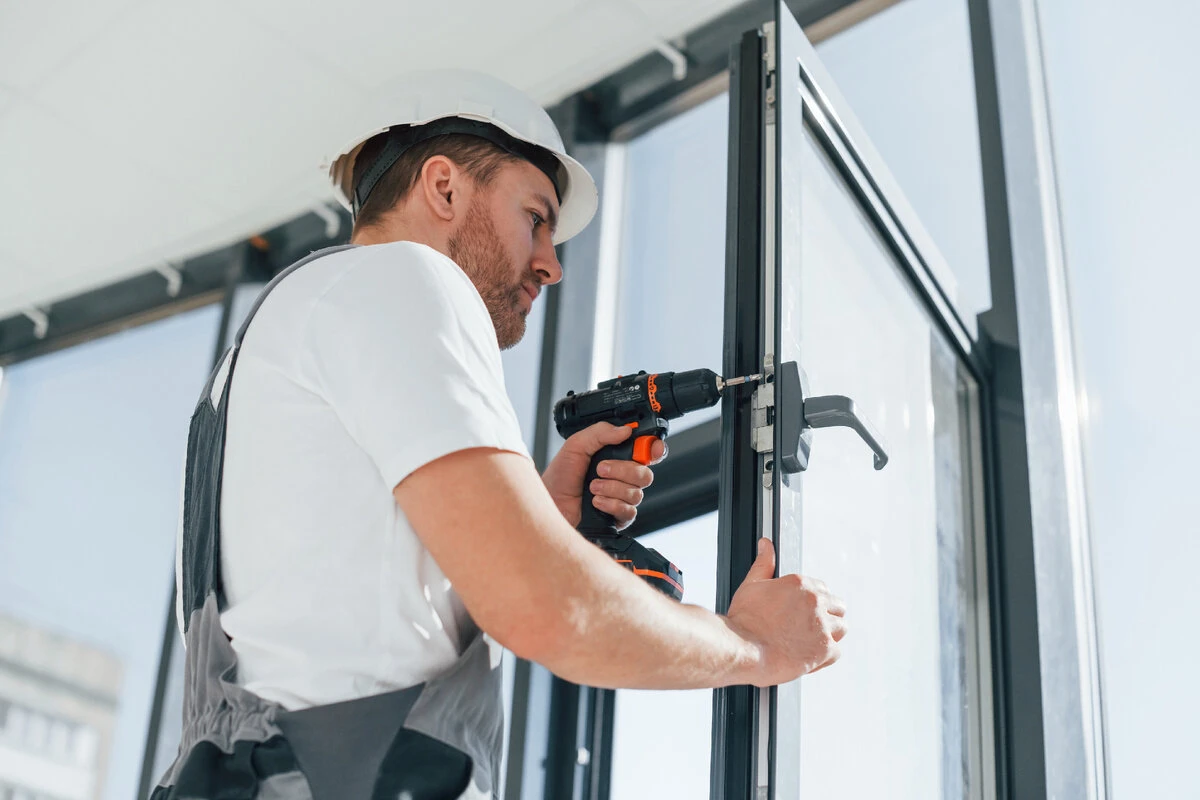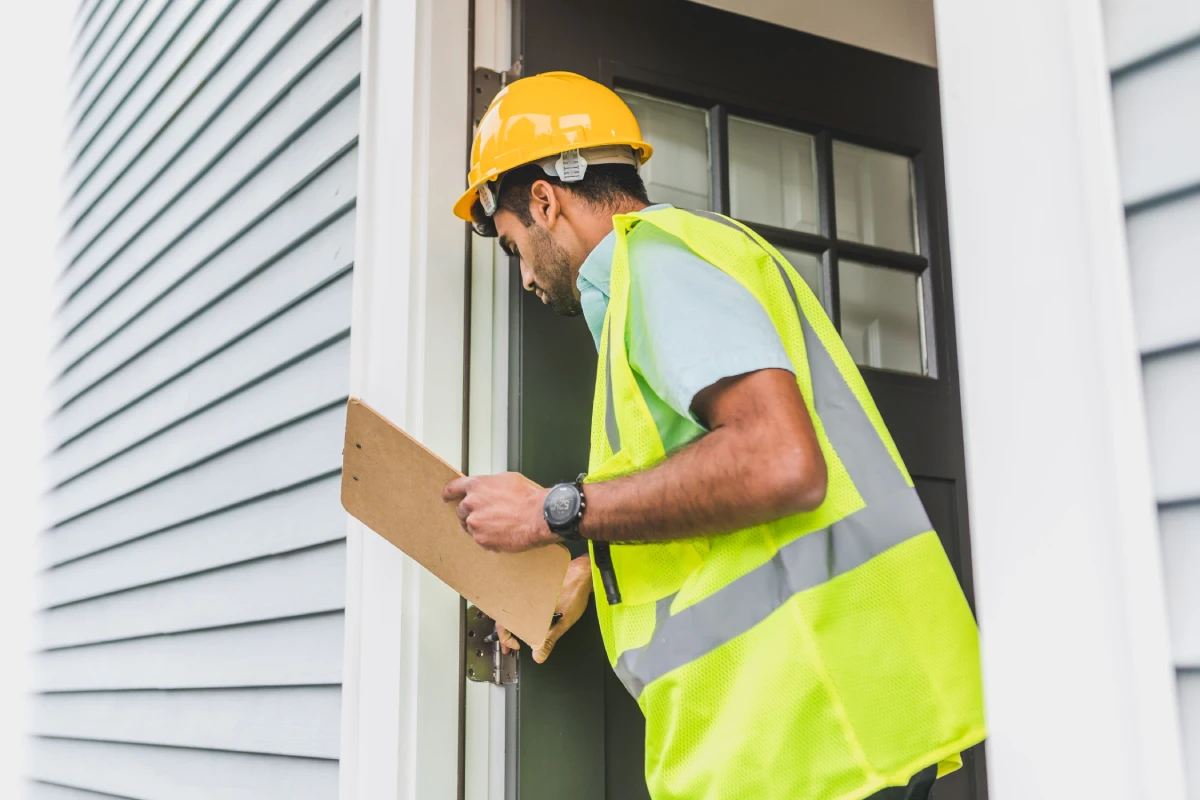
Home security does not have to make a residence look defensive or unwelcoming. Well-selected security screens in Los Angeles can strengthen vulnerable doors and windows while preserving airflow, natural light, visibility, and the architectural character homeowners want to maintain.
That balance is especially important when security upgrades must blend into an established design. SecureIt Homes evaluates openings, finishes, proportions, and everyday use so protection feels integrated rather than added as an obvious barrier.
How Security Screens in Los Angeles Blend with Home Design
Traditional security features can sometimes dominate a façade. Screens offer another option by adding resistance while keeping a lighter visual profile.
Properly chosen security screens in Los Angeles can complement contemporary, traditional, Mediterranean, and transitional homes. Frame style, finish, placement, and surrounding materials all influence whether the installation looks intentional.
Why Security Screens in Los Angeles Should Match the Property
A design-conscious installation involves more than measuring an opening. Exterior colors, trim, door styles, window proportions, and sightlines should also be considered.
SecureIt Homes approaches screen selection with both protection and appearance in mind. This helps prevent an upgrade from looking out of place on prominent entrances or street-facing windows.
Where Security Window Screens in Los Angeles Add Value
Security window screens in Los Angeles add another physical obstacle while allowing the opening to maintain a residential appearance. They can be useful where homeowners want more resistance without using heavy bars or visually intrusive metalwork.
Good candidates may include:
- Ground-floor bedroom windows
- Rear windows near patios
- Side-yard openings
- Windows near accessible ledges
- Openings frequently used for ventilation
The right locations depend on both exposure and how each room is used.
How Security Window Screens in Los Angeles Preserve Daily Comfort
Security upgrades should not make normal living inconvenient. Screens can help maintain ventilation, daylight, and exterior views while still adding another protective layer.
That makes them especially useful for homeowners who want stronger openings without making the property feel enclosed. SecureIt Homes can assess which windows need additional protection instead of applying the same solution everywhere.
Doors Need Protection Without Losing Their Style
Entry doors often contribute strongly to curb appeal, so additional protection should respect their design. Security door screens in Los Angeles can create another barrier while allowing the main door behind them to remain visible.
They can also provide airflow when the primary door is open, letting homeowners ventilate the home without leaving the entrance completely exposed.
Well-integrated security door screens in Los Angeles should complement the door's proportions, finish, and surrounding architecture rather than compete with them visually.
Aesthetic Integration Should Be Part of Security Planning
Strong security does not automatically mean highly visible security. The best solution considers how protective features look from the street, how they affect daily routines, and how they work with other measures already installed.
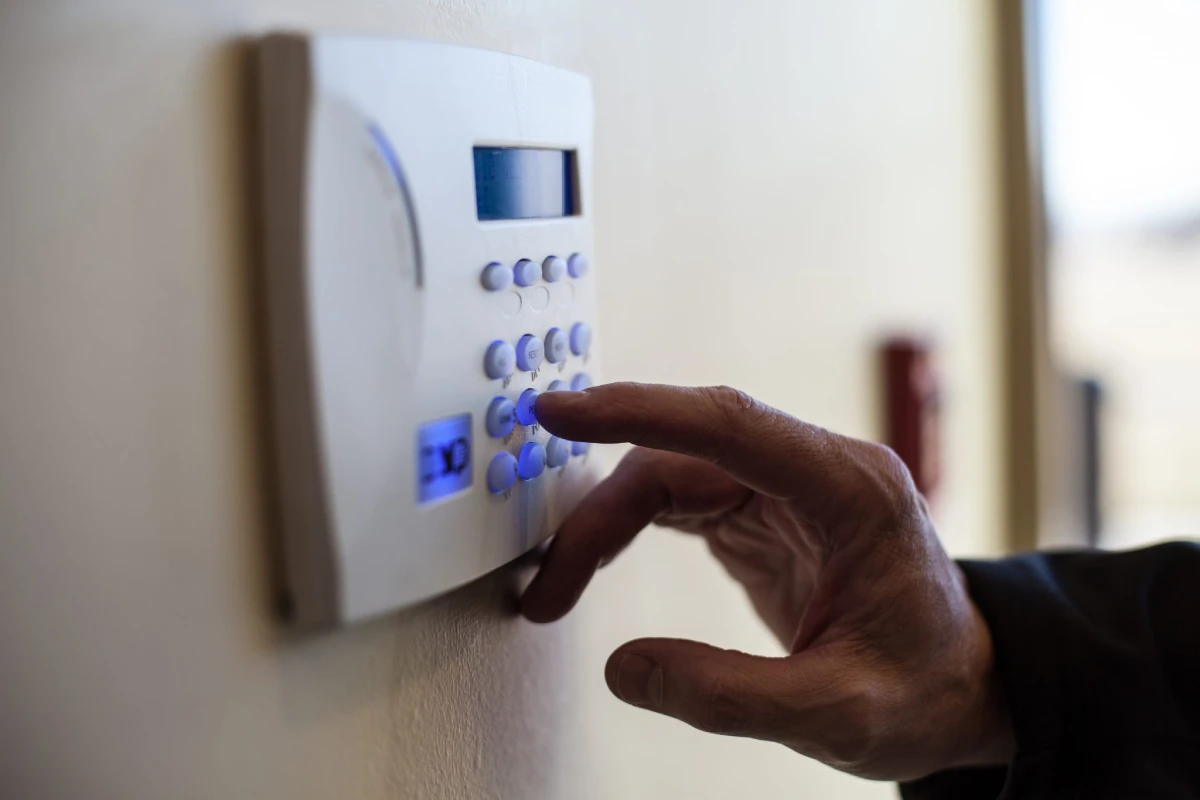
Screens can support cameras, lighting, locks, alarms, and other protective layers without becoming the visual focus of the property. This gives homeowners more flexibility to improve security while maintaining a welcoming exterior.
Make Protection Part of the Architecture
For homeowners considering security window screens in Los Angeles, the goal should be stronger openings without sacrificing the character of the home.
Instead of treating security and design as separate decisions, bring them together from the beginning. SecureIt Homes can help identify where screens make the most sense and how they can fit naturally into the property's existing look. Stronger protection should feel built into the home, not bolted onto it.
FAQs
Q1: Do protective screens reduce natural light?
They are generally designed to preserve visibility and daylight while adding resistance across the opening.
Q2: Can screen frames match existing finishes?
Many installations can be selected to coordinate with trim, doors, and surrounding exterior details.
Q3: Are screens suitable for modern homes?
Yes. Clean profiles and careful placement can work well with contemporary architecture.
Q4: Can windows still provide ventilation?
In many configurations, airflow can be maintained while an added protective barrier remains in place.
Q5: Should every window receive a screen?
Not necessarily. Accessible, concealed, or higher-risk openings should usually receive priority after a professional assessment.






.webp)