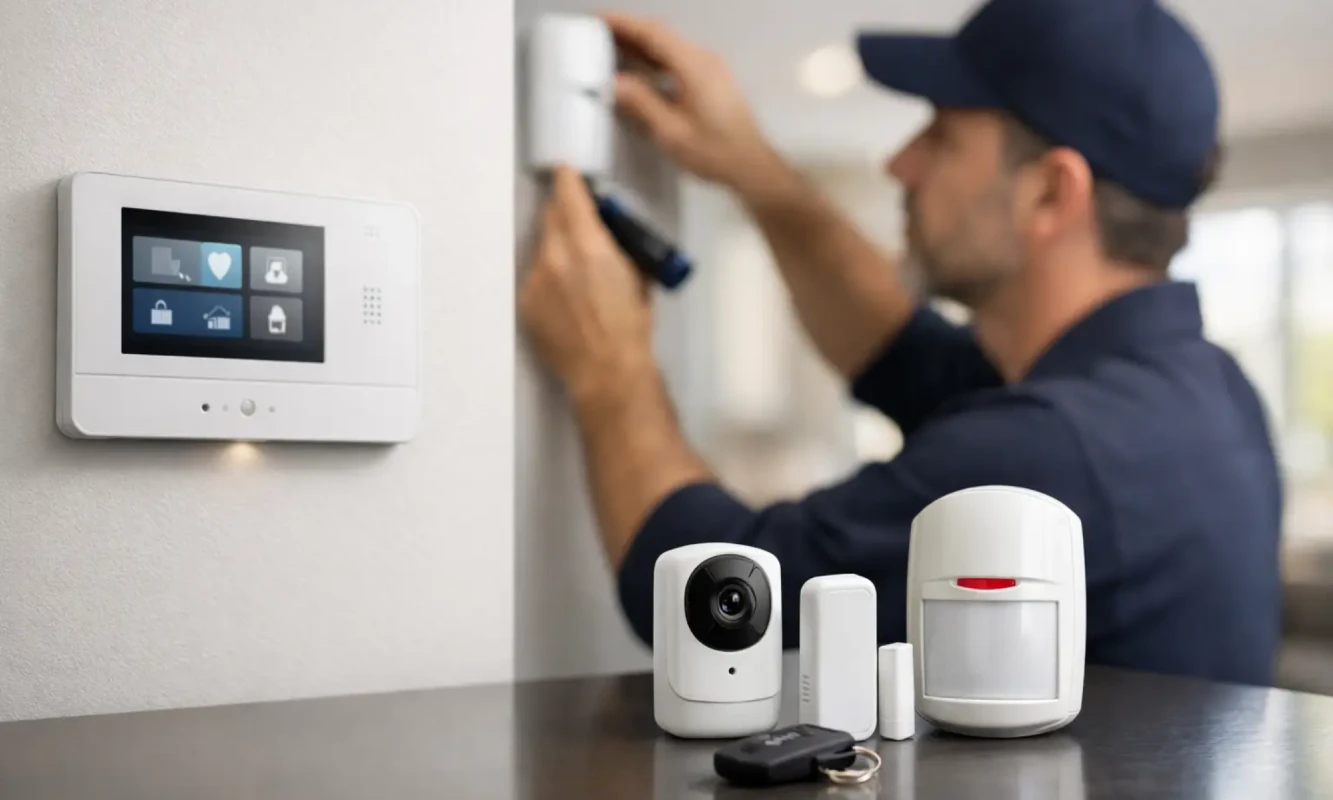
A home can look secure while still hiding vulnerabilities. Guy Cohen security expert,approaches residential protection by studying how someone could reach, enter,or move around a property. This assessment-first mindset reveals real risksthat cameras, alarms, or locks alone may miss.
A professional evaluation treats the home as a connectedsecurity environment. SecureIt Homes examines access points, visibility,lighting, and entry risks before building a layered plan. The goal is toidentify and strengthen the weakest areas.
What a Guy Cohen SecurityExpert Assessment Looks for First
A strong assessment begins outside. The consultant studiesapproach routes, concealed areas, barriers, doors, and windows. A residential security consultantin Los Angeles may review gates, fences, landscaping, driveways, sideyards, exterior lighting, garages, and secondary entrances.
The inspection considers whether existing measures worktogether. Guy Cohensecurity expert methodology emphasizes layered protection, with earlydetection, physical reinforcement, monitoring, and deterrence supporting oneanother.
Why Guy Cohen SecurityExpert Reviews the Whole Property
The weakest point is not always a door or window. It may bea combination of poor visibility, easy access, delayed detection, and an entrypoint that can be attacked without attracting attention.
SecureIt Homes evaluates these relationships becausestrengthening one area while overlooking another may redirect risk. Anassessment asks where an intruder could test the property first and whathappens if that layer fails.
How a Security Consultantin Los Angeles Tests Entry Risks
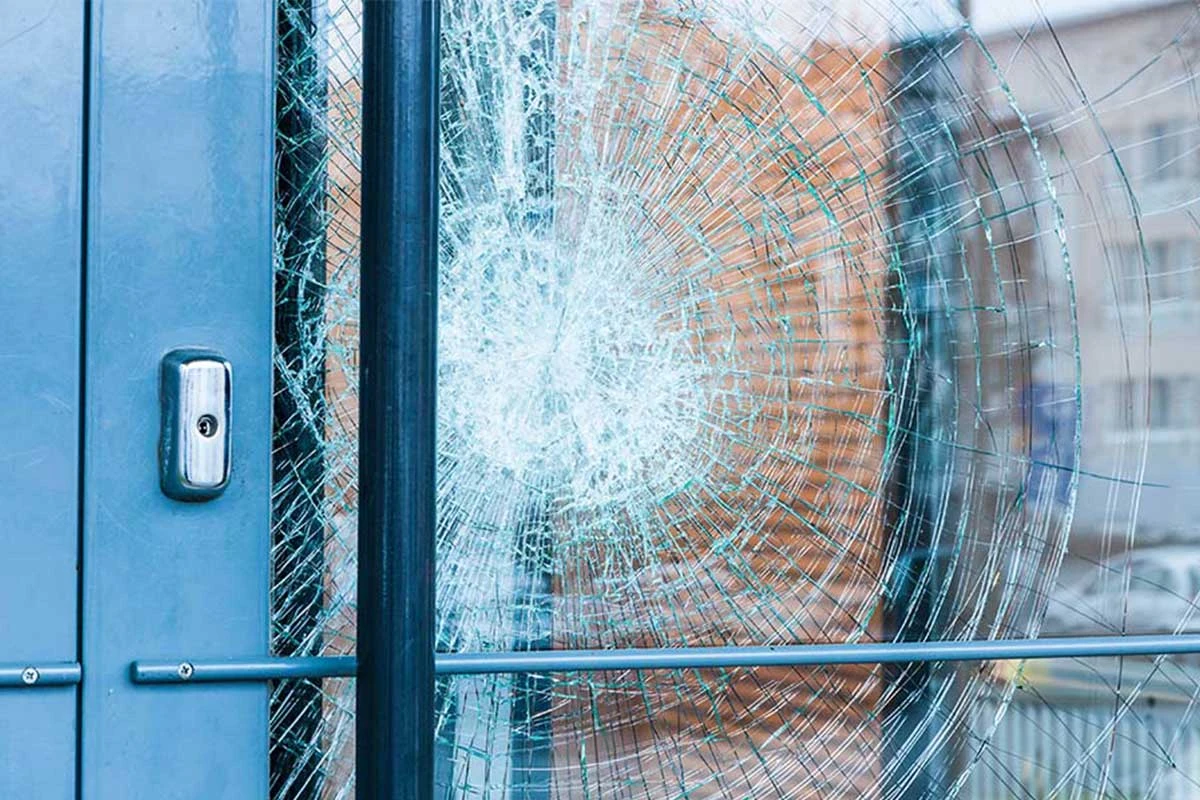
Doors and windows receive close attention because theyconnect exterior areas with living spaces. A home security consultant in Los Angeles looksbeyond basic locking. The evaluation considers frame strength, glass exposure,hardware, accessibility, and forced-entry resistance.
Common areas reviewed include:
· Front, rear, and side doors
· Ground-level or concealed windows
· Sliding doors and large glass openings
· Garage and connecting doors
· Balcony and patio access points
· Openings hidden by plants or structures
A residentialsecurity consultant in Los Angeles also considers whether physicalreinforcement is supported by detection. Making entry harder matters, butidentifying suspicious activity before someone reaches the structure addsanother layer.
What a Security Consultantin Los Angeles Checks Beyond Entry Points
Professional assessment also examines surveillance coverageand environmental conditions. Camera placement should provide usefulvisibility, not simply increase device count. Lighting, blind spots, walls,vegetation, and elevation can affect what cameras capture.
A homesecurity consultant in Los Angeles may also study how residents use theproperty. Gates, service entrances, parking patterns, staff access, andhousehold routines can change which areas need protection. SecureIt Homes usesthis property-specific approach instead of relying on a standard package.
Why Professional Vulnerability Assessment Matters
A product-first approach starts with equipment. Aprofessional assessment starts with risk. Two neighboring homes can havecompletely different vulnerabilities.
A careful assessment can:
· Prioritize weaknesses creating the greatestexposure
· Avoid spending while leaving major gaps
· Coordinate detection, reinforcement,surveillance, and deterrence
· Plan improvements in a logical order
· Match protection to the property's layout androutines
Turn Weak Points into a Stronger Security Plan
Knowing where a home is vulnerable starts better protection.Working with a securityconsultant in Los Angeles helps homeowners move beyond generic devicestoward a strategy shaped by the property and its real exposure.
SecureIt Homesbuilds recommendations around detailed evaluation and layered protection,helping homeowners address weaknesses before simply adding equipment.
FAQs
Q1: What happens during a residential vulnerabilityassessment?
The property is reviewed for access routes, weak entrypoints, visibility problems, surveillance gaps, and conditions that could makeintrusion easier.
Q2: Should exterior areas be inspected first?
Often, yes. Exterior barriers, lighting, landscaping, andapproach routes can reveal how someone might reach the structure beforeinterior weaknesses are considered.
Q3: Can existing cameras still leave blind spots?
Yes. Poor placement, obstructions, lighting, limitedcoverage, or property changes can leave important areas unseen.
Q4: Does every weakness require expensive equipment?
No. Some concerns can be addressed through better lighting,reinforcement, placement, access control, or smarter use of existing measures.
Q5: When should a home be reassessed?
Consider reassessment after renovations, landscapingchanges, new access points, major security upgrades, or significant changes in householdroutines.