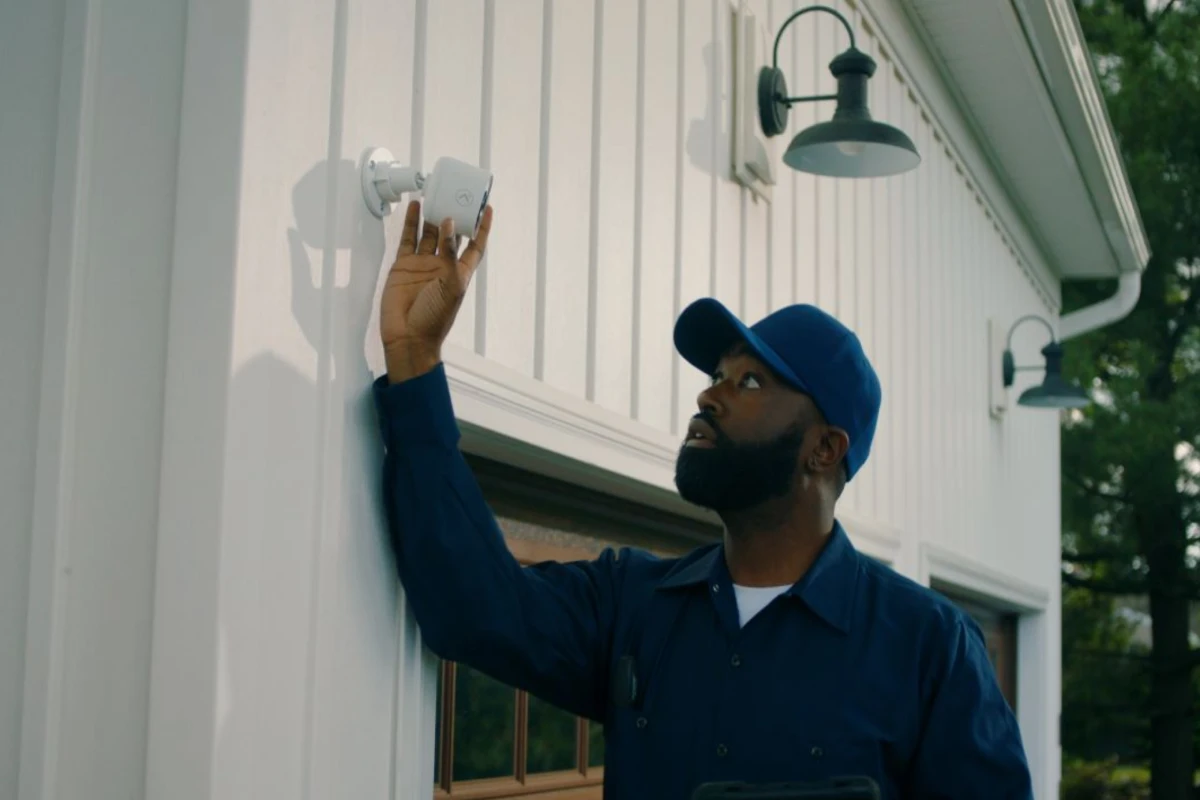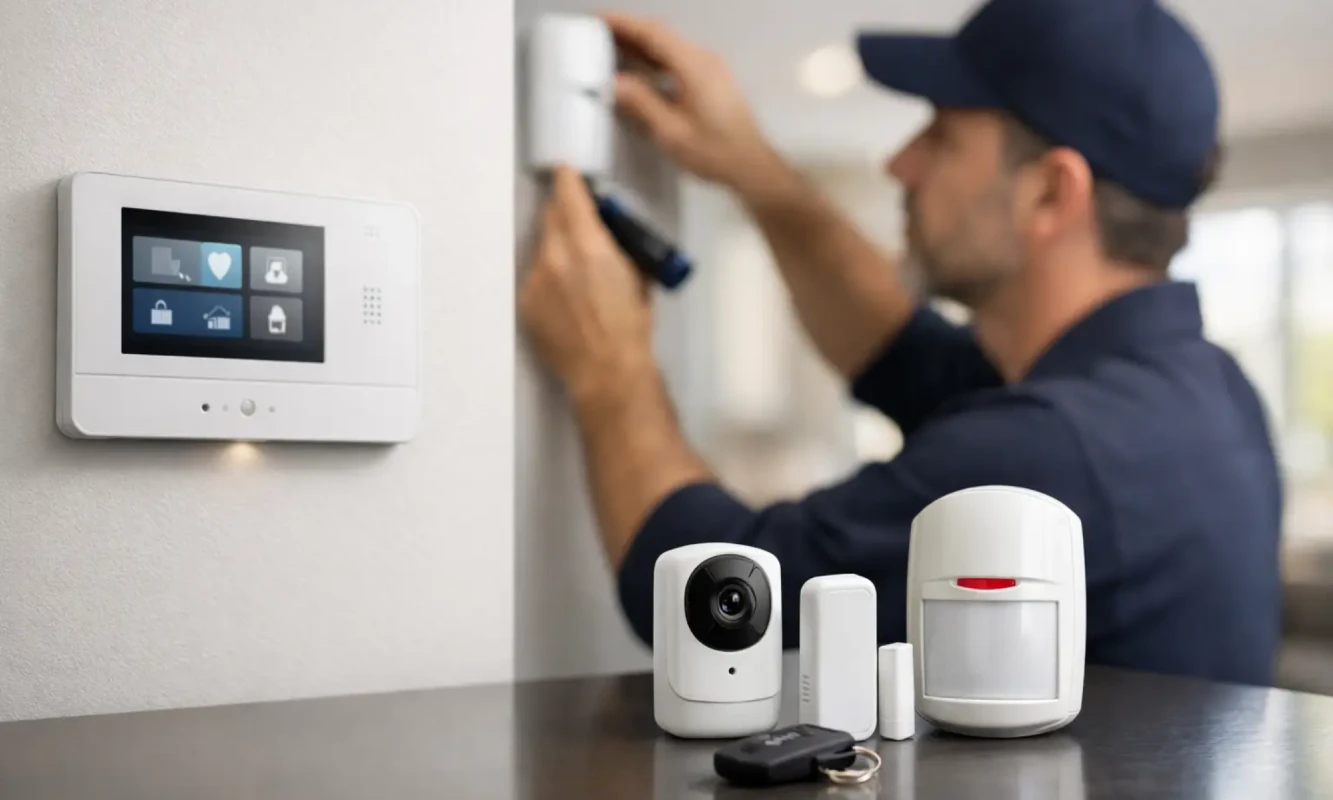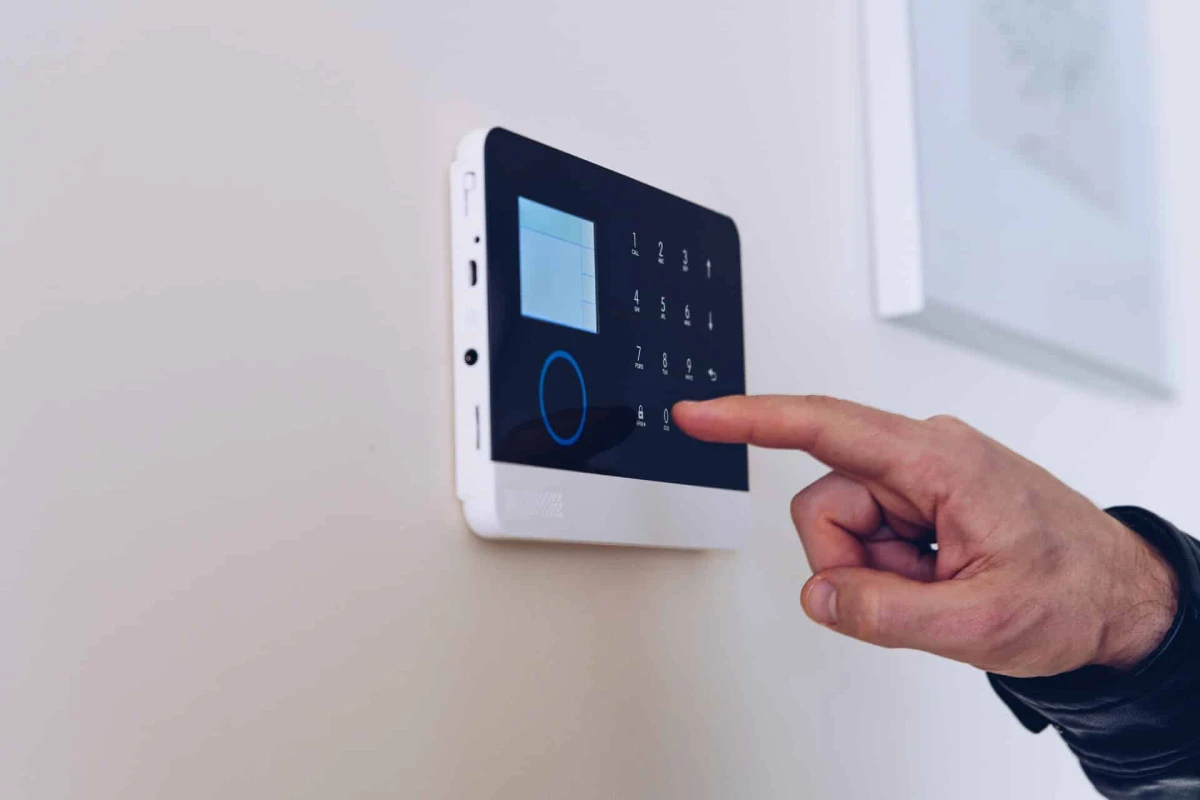
A standard alarm shares the same basic flaw across almost every brand and price point: it waits for a door or window to actually open before doing anything at all. By the time that siren sounds, whoever triggered it is already standing inside the house. A properly built home security system in Los Angeles works on a fundamentally different principle, catching movement on the property before anyone reaches a door in the first place.
The Gap Between Noticing and Preventing
Confirming a breach after it's already happened is not the same thing as preventing one. A reactive alarm tells a homeowner what's occurring while it's occurring, which leaves very little time to actually do anything meaningful about it.
What Early Detection Actually Changes
Infrared perimeter sensors identify a person approaching the property, frequently before they even reach a door or window. That early warning can trigger lights, a live camera feed, and a mobile alert within seconds, which gives a homeowner enough time to call for help, or in many cases, enough time for the activity itself to discourage whoever triggered it.
What Separates a Reactive System From a Proactive One
A few concrete differences tend to separate a genuinely proactive system from one that's really just a louder version of a standard alarm.
- Detection that responds to movement on the property before a door or window is touched.
- Automated lighting and locks that activate the moment a perimeter sensor is triggered.
- Live camera access that reaches a homeowner's phone in real time, not after the fact.
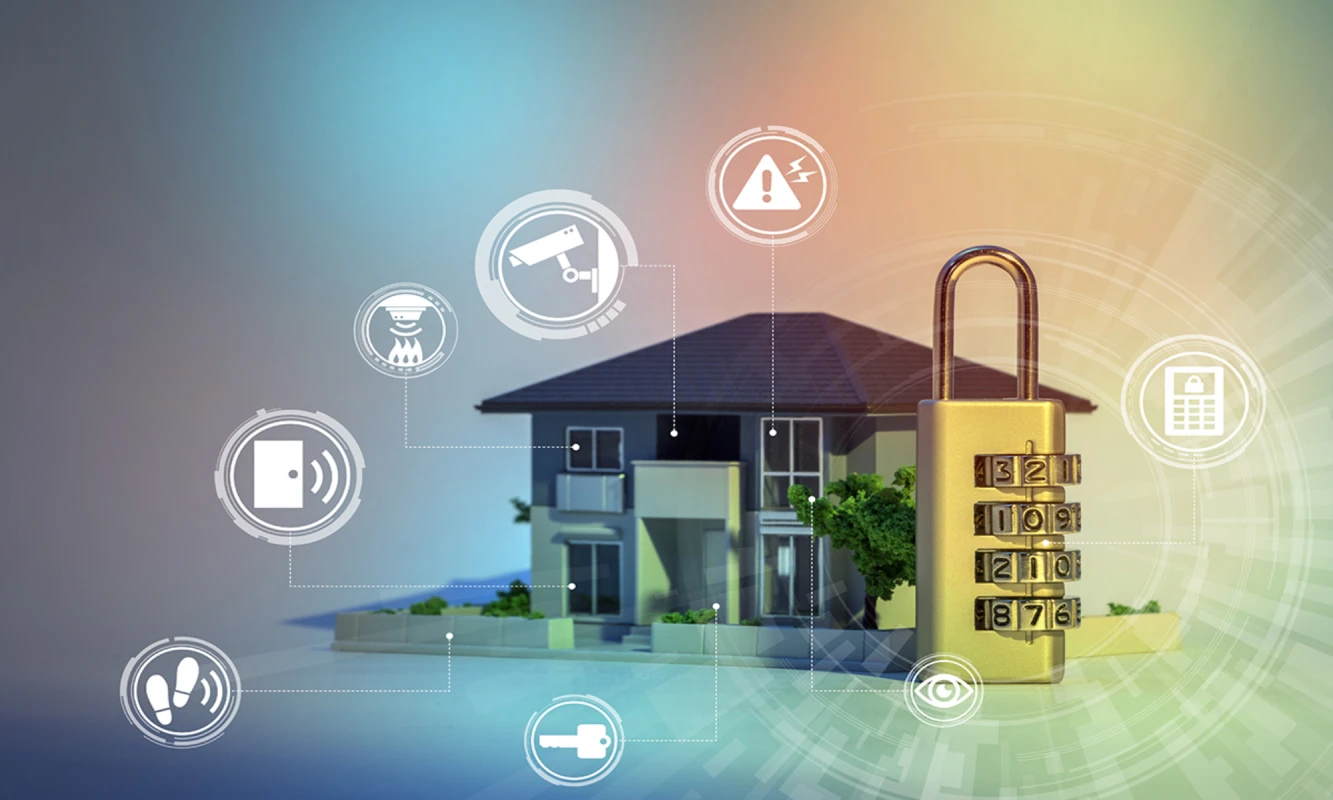
- Integration between sensors, cameras, and lighting rather than each operating in isolation.
The best home security systems in Los Angeles are separated by exactly this kind of early response, not by how loud the alarm gets once it's already too late to matter.
Why This Distinction Gets Missed When Comparing Quotes
Homeowners shopping for a system often compare price and camera resolution first, since those are the easiest details to put side by side on paper. Neither one actually says anything about how early a system detects a threat or how quickly it responds once something starts happening on the property.
Comparing Systems the Way That Actually Matters
A home security system worth comparing seriously should be evaluated on response time first, not on spec sheet details that sound impressive but don't actually reflect what happens during a real event. The best home security systems in Los Angeles make that comparison easy, since the difference in response time tends to be obvious once it's actually explained.
Stop Comparing Sirens, Start Comparing Response Time
A home security system in Los Angeles shouldn't be judged by how loud it gets after something has already gone wrong; it should be judged by how much time it buys before that happens at all. SecureIt Homes builds detection and automated response into a single system designed around each property, not a generic package pulled off a shelf. The best home security systems in Los Angeles earn that label through actual response time, and Guy Cohen's team can walk you through exactly where a standard reactive alarm falls short. Book a free evaluation and see the difference for yourself.
FAQs
Q: What makes a home security system reactive instead of proactive?
A: A reactive system only alerts after a door or window sensor is actually triggered, meaning the intrusion has already started before anyone is notified. A proactive system detects movement before that point.
Q: How much extra time does early detection actually provide?
A: It varies by property layout, but perimeter detection typically gives homeowners a window ranging from several seconds to over a minute. That window is often enough to call for help or discourage the attempt entirely.
Q: Are proactive systems harder to control remotely than standard alarms?
A: No, most are managed through a mobile app that lets homeowners view cameras, adjust locks, and review alerts from anywhere. The added detection doesn't make the system more complicated to use.
Q: Can an existing alarm be upgraded instead of fully replaced?
A: In many cases, yes, since existing equipment can often be evaluated and integrated with newer detection and automation components. A full replacement is really only needed when the base equipment can't support that integration.
Q: Why do camera resolution and price get compared more than response time?
A: They're simply easier to compare on paper, since they're listed clearly on most spec sheets. Response time requires actually understanding how a system behaves during a real event, which takes more explanation.