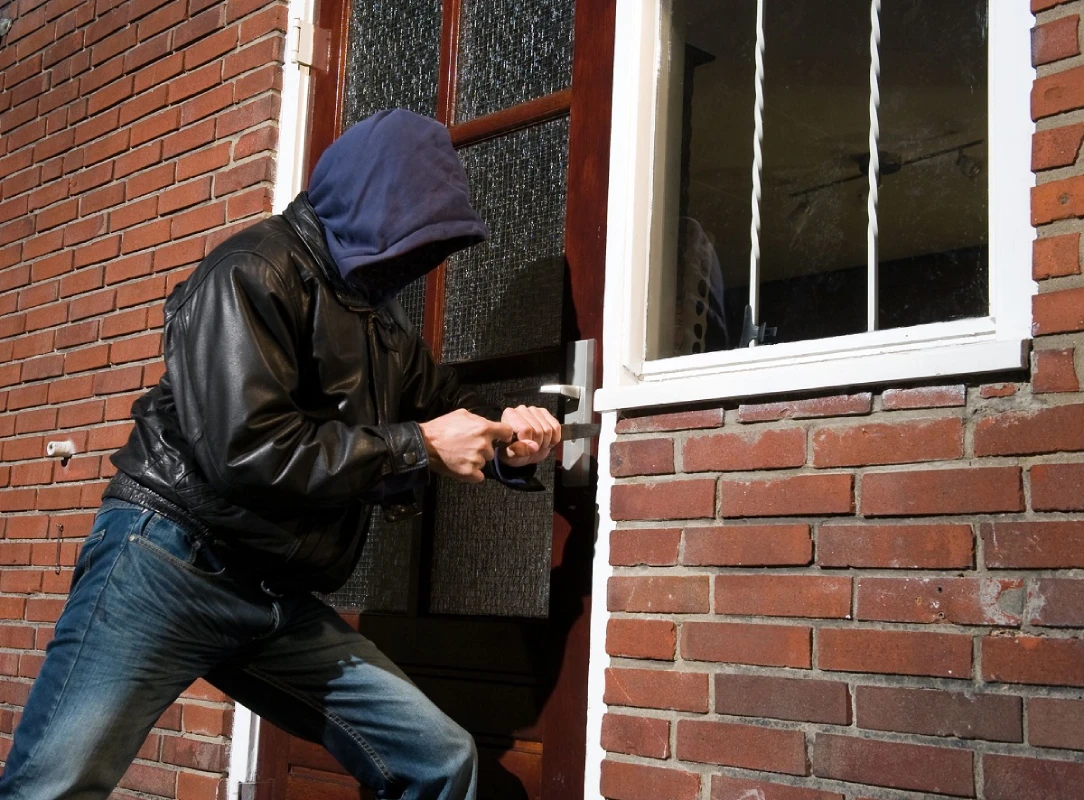
Most alarm systems share the same fundamental flaw. They wait for a door or window to open before doing anything at all. By the time the siren sounds, the intruder is already inside the house. The best home security systems in Los Angeles are built around a different idea entirely, one that catches movement on the property before a door is ever touched, giving homeowners real reaction time instead of a loud noise after the fact.
The Problem With Reactive Alarms
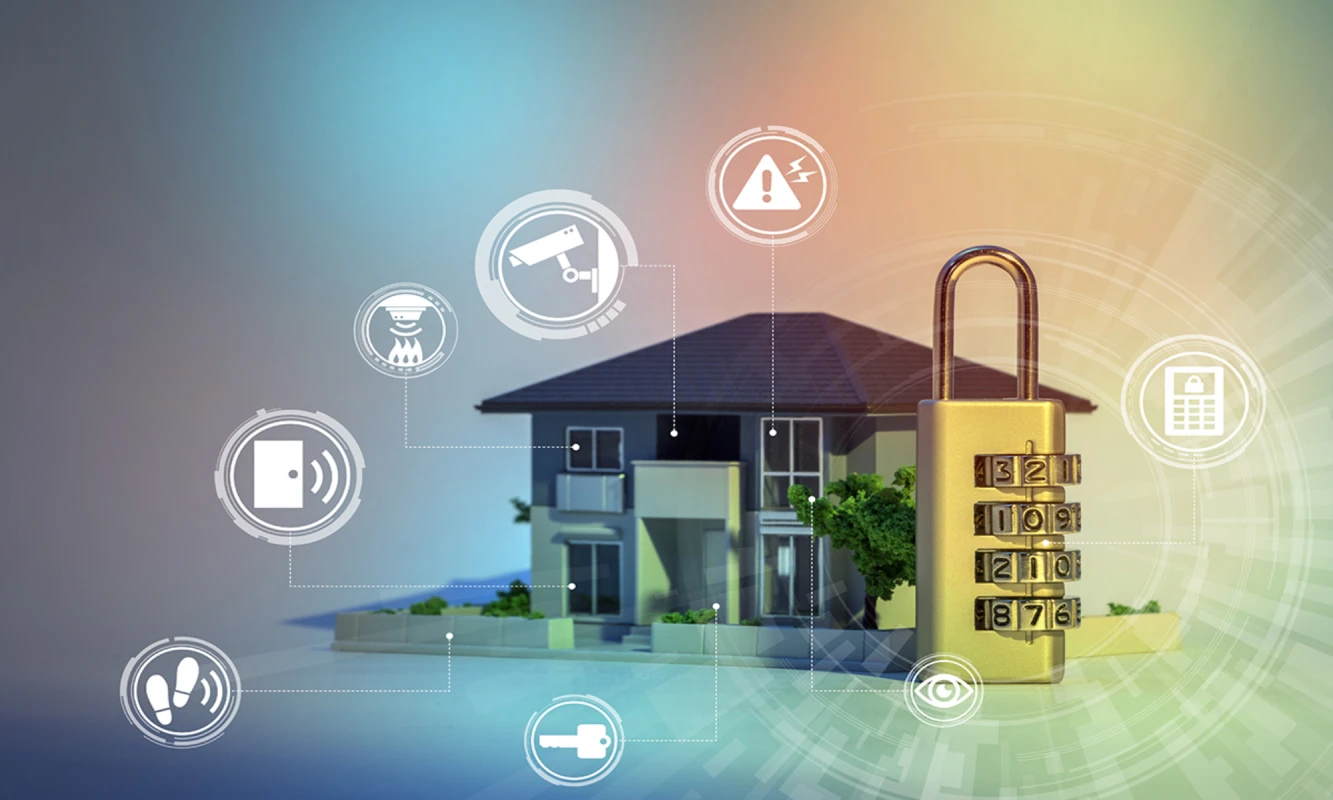
A standard alarm is a reactive tool. It confirms a breach after it has already happened, which means the homeowner is reading a notification while a stranger is standing in their living room. Real home security automation in Los Angeles connects sensors, cameras, and lighting into one system that acts on movement before entry, not after.
This distinction matters more than most homeowners realize when comparing options. Two systems can look identical on a spec sheet, but the best home security systems in Los Angeles are differentiated by how early they detect a threat, not by how loud the siren is once it is too late.
What Early Detection Actually Buys You
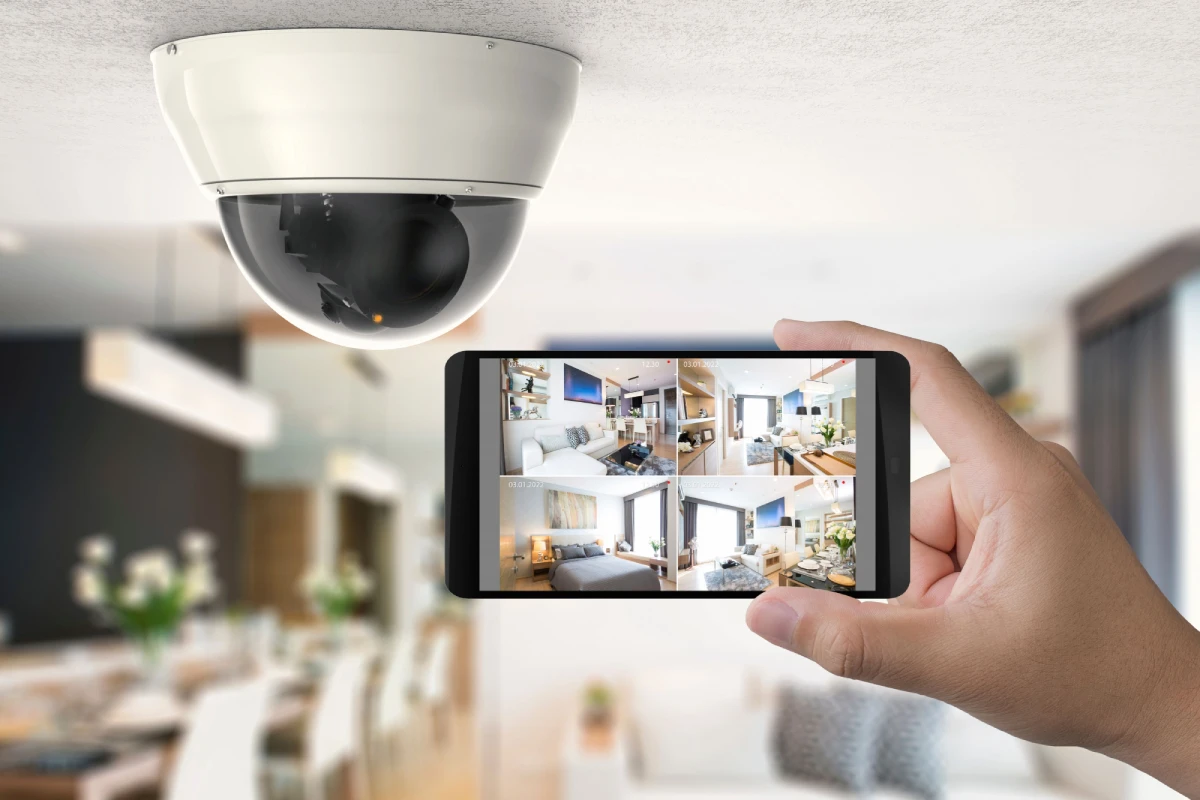
Infrared perimeter sensors identify a person approaching the property, often before they reach a door or window. Paired with home security automation in Los Angeles, that detection can trigger lights, live camera views, and a mobile alert within seconds, giving the homeowner enough time to call for help or scare off the attempt entirely.
Automation Turns Detection Into Action
Detection without a fast response is only half a system. The best home security systems in Los Angeles pair sensors with automated locks, lighting, and live notifications so the homeowner is not the one manually checking every camera feed during an active event.
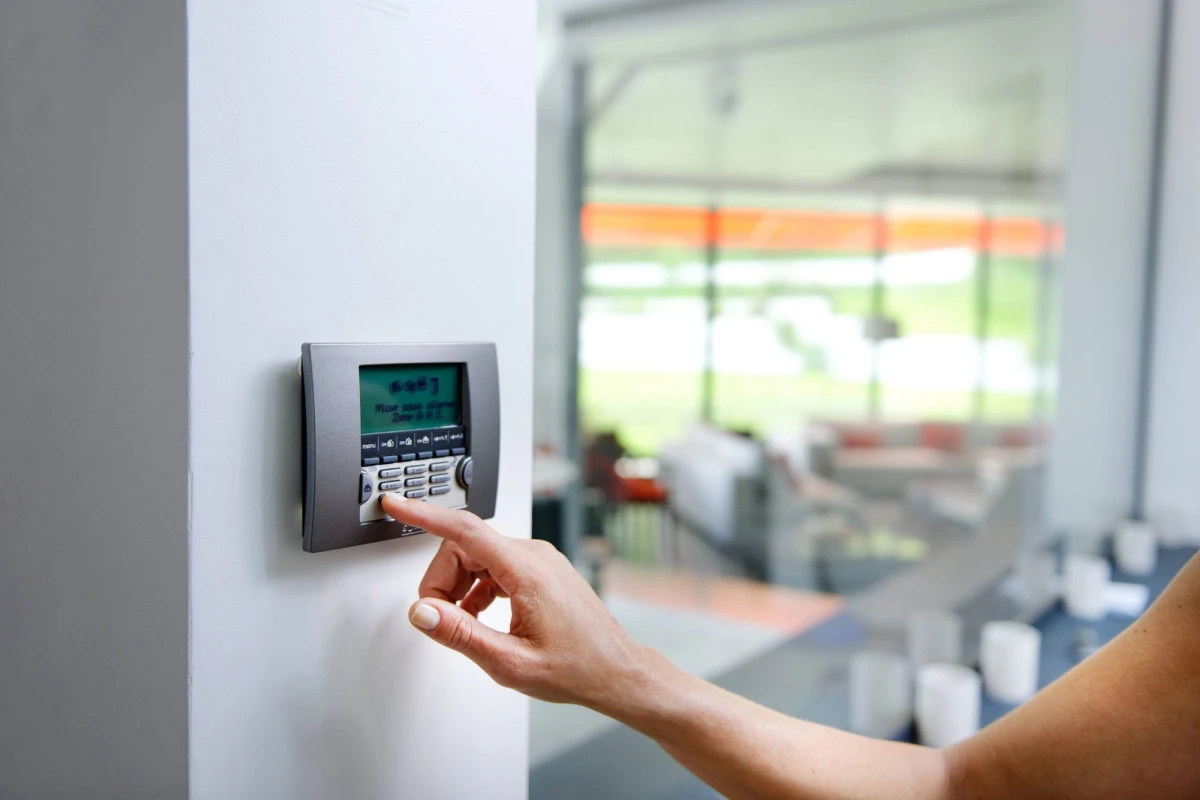
SecureIt Homes builds home security automation in Los Angeles around this handoff. A triggered sensor can lock doors, flood the entry point with light, and push a live camera view to the homeowner's phone automatically, without anyone touching a control panel.
Why This Matters More in Los Angeles Specifically
Los Angeles properties vary widely, from hillside homes with limited sightlines to dense residential blocks with multiple access points. A generic reactive alarm cannot account for those differences, but a system built around early detection and automated response adapts to whatever layout the property actually has.
Comparing Systems the Right Way
Homeowners shopping for a system often compare price and camera resolution first. Those matter, but they say nothing about how early the system actually detects a threat or how quickly it responds once something is happening.
SecureIt Homes walks every homeowner through this comparison directly, showing exactly where a reactive alarm stops and where a properly layered, automated system picks up the difference.
Stop Comparing Sirens and Start Comparing Response Time
The best home security systems in Los Angeles are not measured by how loud they are after a break-in; they are measured by how much time they buy before one happens. SecureIt Homes builds detection and automation into a single system designed around your property, not a generic package. With over twenty years of installation experience behind every setup, Guy Cohen and his team can show you exactly where a reactive alarm falls short. Book a free evaluation and see the difference for yourself.
FAQs
Q: What makes a home security system reactive instead of proactive?
A: A reactive system only alerts after a door or window sensor is triggered, meaning the intrusion has already started before the homeowner is notified.
Q: How does home automation improve response time during a break-in attempt?
A: Automated systems can lock doors, activate lighting, and send a live camera feed the moment a perimeter sensor detects movement, all before entry occurs.
Q: Are automated security systems difficult to control remotely?
A: No. Most systems are managed through a mobile app that lets homeowners view cameras, adjust locks, and review alerts from anywhere with a signal.
Q: Can an existing alarm system be upgraded with automation instead of fully replaced?
A: In many cases, yes. SecureIt Homes evaluates existing equipment first to determine what can be integrated before recommending a full system replacement.
Q: How much reaction time does early detection actually provide?
A: It varies by property layout, but perimeter detection typically gives homeowners a window of anywhere from several seconds to over a minute before someone reaches an entry point.