Protecting one room from forced entry does not alwaysrequire tearing apart a house. Experienced safe room builderscan often strengthen an existing bedroom, closet, or interior space by focusingon the components that matter most: the door, frame, walls, hardware, andaccess control. This preserves the home's layout while adding resistance whereit matters most.
For homeowners seeking stronger protection with lessconstruction, the key is selective reinforcement. SecureIt Homes evaluates thechosen space, identifies structural weaknesses, and recommends upgrades thatwork with the existing room whenever possible. The result is a discreetsecurity improvement rather than a major renovation project.
How Safe RoomBuilders Strengthen What Is Already There
Low-disruption construction starts with choosing the rightroom. A bedroom, closet, office, or other enclosed area may already have muchof the structure needed for conversion. Instead of rebuilding from scratch, residential safe room buildersassess which surfaces and openings require reinforcement.
Upgrades may be concentrated around the points most likelyto fail under pressure, allowing the room to keep its familiar appearance andfunction.
Where Safe RoomBuilders Focus Reinforcement First
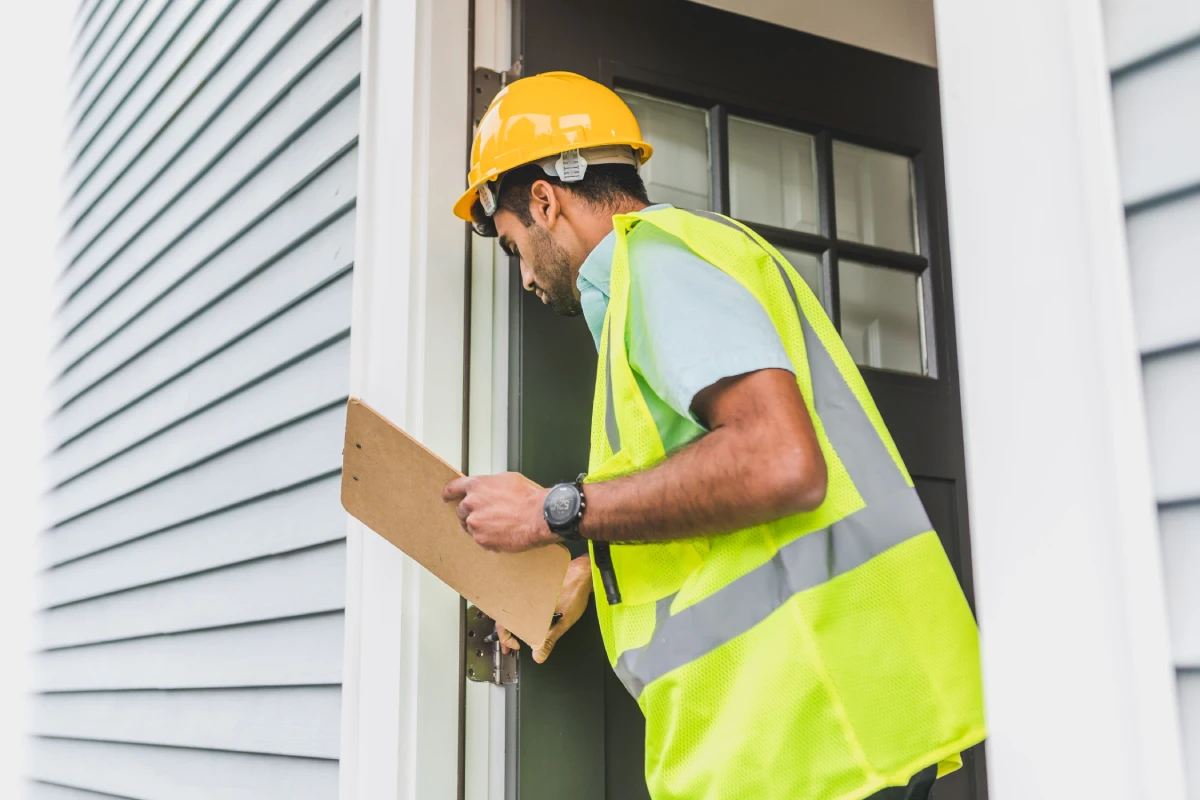
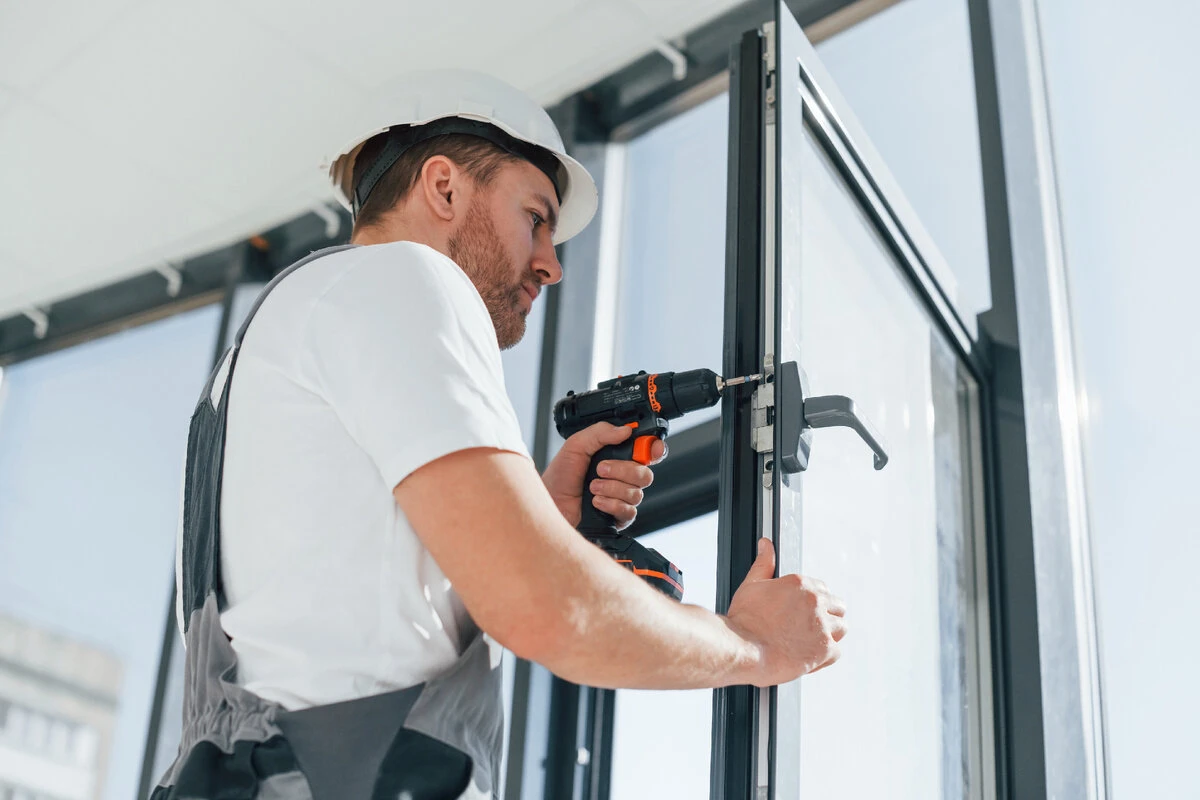
The door is usually a critical element because forced entryoften targets the easiest opening. Reinforcement can include a stronger doorassembly, upgraded frame, heavy-duty hinges, and multi-point locking hardware.SecureIt Homes also looks at how the door connects to the surroundingstructure.
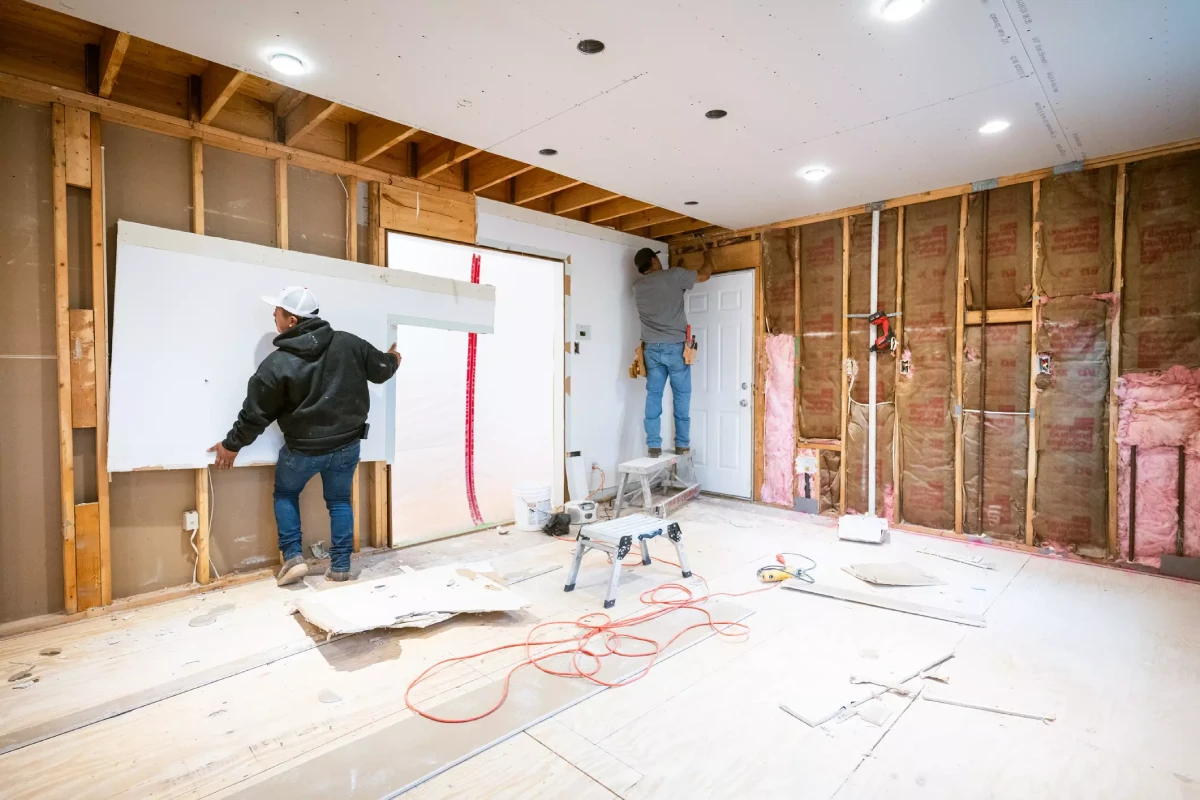
Walls may be strengthened selectively with additionalstructural materials rather than completely rebuilt. This targeted approach canreduce demolition, dust, noise, and disruption inside an occupied home.
Why Safe RoomBuilders in Los Angeles Use a Targeted Approach
Every house has a different layout, construction type, andrisk profile. Instead, residentialsafe room builders determine what the existing space can support beforerecommending changes.
A low-disruption plan may prioritize:
· Reinforcing the existing door and frame
· Strengthening vulnerable wall sections
· Upgrading locks and interior control points
· Preserving ventilation and communication access
· Concealing security improvements within theroom's design
· Coordinating the room with other protectionmeasures
This lets homeowners focus on areas that directly affectforced-entry resistance instead of unnecessary cosmetic demolition.
How Safe RoomBuilders in Los Angeles Keep the Space Livable
A secure room should still fit naturally inside the home, soappearance, daily use, access, and construction needs all matter. Safe room builders maywork around existing finishes and dimensions so the room remains practical whenit is not being used as a protected refuge.
SecureIt Homes emphasizes customized planning because everyroom differs. A converted closet may need different reinforcement than a largerbedroom or office.
Low-Disruption Construction Does Not Mean Light Protection
Less demolition should not be confused with less serioussecurity. The objective is to strengthen the elements that determine how wellthe room resists intrusion.
Reinforced components also need to work as a system. Astrong door attached to a weak frame can leave the room vulnerable despite theupgrade.
Strengthen One Room, Not Rebuild the House
A secure refuge can often begin with a room you already use.For homeowners seeking saferoom builders in Los Angeles, the smarter question is not how much ofthe house must change, but which parts truly need strengthening. With SecureIt Homes, the process starts byassessing the existing space and building a focused plan that adds resistancewhile respecting the home's layout and daily routine.
FAQs
Q1: Can an existing closet be converted into a protectedroom?
Yes. Many closets can be evaluated for reinforcement, dependingon size, location, wall construction, and entry configuration.
Q2: Will the room look noticeably different afterward?
Not necessarily. Many upgrades can be integrated discreetlyso the space continues to match the surrounding interior.
Q3: Does a reinforced room need special ventilation?
Ventilation should be considered, especially if occupantsmay need to remain inside for an extended period.
Q4: How is the best room in the house selected?
Professionals consider location, accessibility, structuralconditions, openings, and how quickly household members can reach the space.
Q5: Can security features be added in stages?
In some cases, yes. A professional assessment can helpprioritize important upgrades and determine a practical installation sequence.