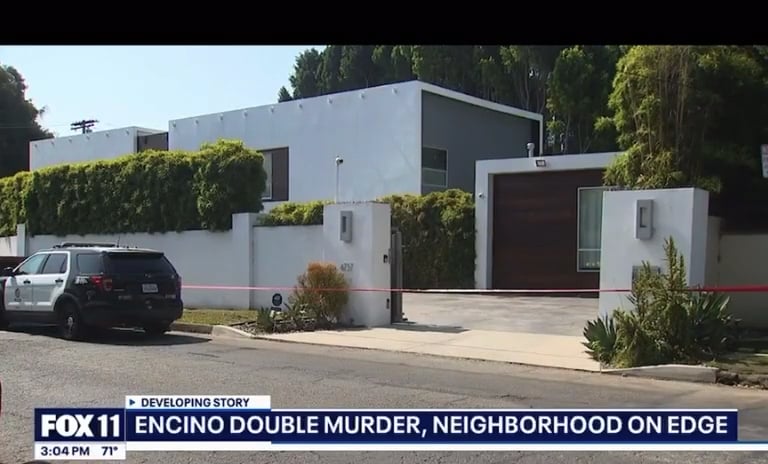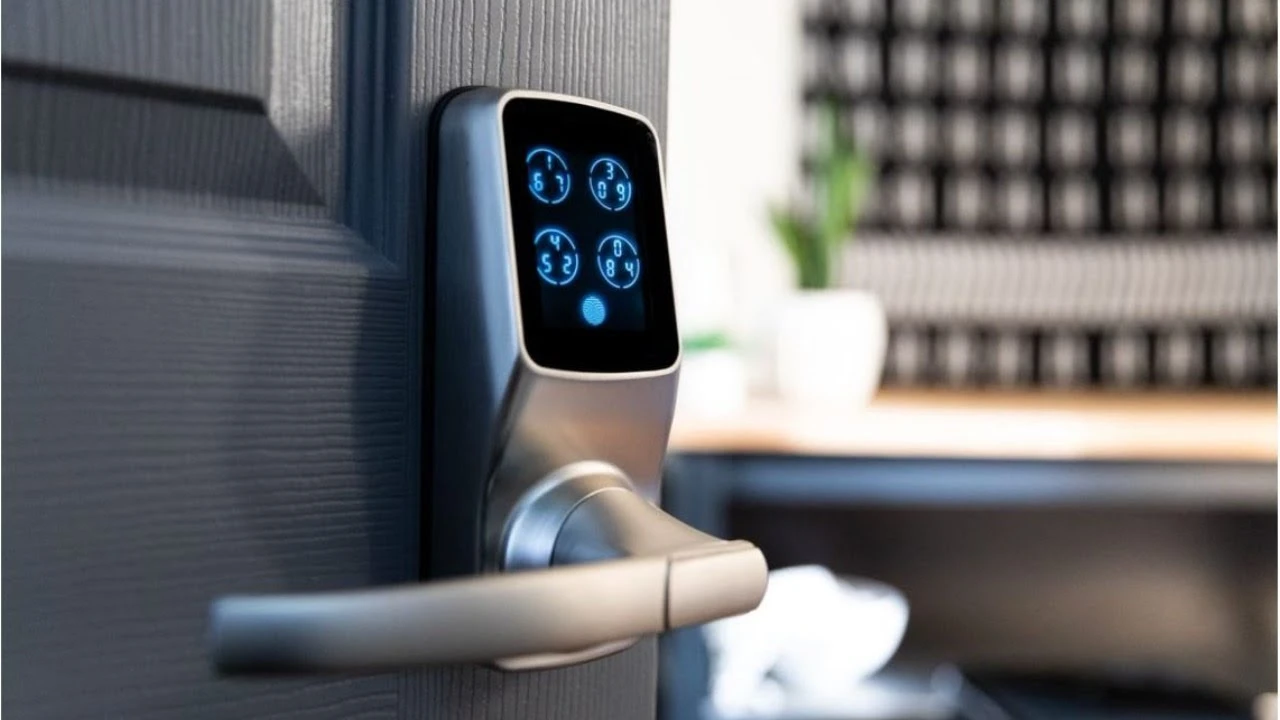
Larger properties can have front doors, side gates, garages, balconies, patios, service entrances, and pathways that create several ways to approach the house. Effective home security systems in Encino should account for all of them rather than concentrating protection around one primary doorway.
Complex layouts require a coordinated plan. SecureIt Homes evaluates how people can approach the property, where visibility drops, and which entrances provide the easiest access. That assessment helps connect cameras, sensors, lighting, physical barriers, and early detection into one security strategy.
Why Home Security Systems in Encino Need an Entry-Point Map
Before equipment is selected, every practical route onto the property should be identified. This includes obvious entrances as well as side yards, rear doors, garage access, low walls, exterior stairs, and secondary gates.
For properties with multiple approaches, home security systems in Encino should distinguish between perimeter access and entry into the residence. Detecting activity near a boundary provides more time to assess a situation than waiting for someone to reach a door or window.
How Home Security Systems in Encino Cover Overlapping Routes
Multiple entrances can create overlapping traffic patterns. A side path may lead to a patio, garage, or rear door, meaning one route can expose several parts of the home.
SecureIt Homes can assess camera sightlines, sensor placement, and lighting together. Instead of treating each entrance independently, protection should follow the way someone could move from the perimeter toward the structure.
Building Residential Security Systems in Encino Around Layers
Properties with several access points benefit from multiple protective layers. The outer layer can identify suspicious movement, while intermediate measures help track activity as someone approaches the residence. Stronger doors, windows, and locks then form another barrier.
Residential security systems in Encino may combine:
- Perimeter detection around gates and approach zones
- Cameras covering key travel paths
- Lighting around concealed or low-visibility areas
- Reinforced doors and vulnerable windows
- Alerts tied to specific zones
- Monitoring that improves awareness during unusual activity
The objective is to prevent one overlooked entrance from undermining the rest of the property.
Why Residential Security Systems in Encino Need Zone-Based Planning
A large property is easier to manage when it is divided into meaningful zones. The driveway may require different coverage from a pool area, rear garden, side gate, or second-floor balcony.
For complex layouts, residential security systems in Encino should account for how one compromised area could provide access to another.
Avoid Treating Every Entrance the Same
Not every entry point presents equal risk. A visible front door facing the street may require different measures from a concealed rear entrance surrounded by landscaping.
A professional assessment considers:
- Visibility from neighboring properties or streets
- Distance from occupied areas
- Existing locks and structural resistance
- Camera coverage
- Nearby walls, trees, or architectural concealment
- How frequently the entrance is used
Make Every Route Lead into the Same Security Strategy
A property with six entrances should not feel like six separate security projects. The stronger approach is to make every route part of one coordinated system. Begin at the perimeter, follow likely movement toward the house, and make sure detection, visibility, and physical resistance support each other.
SecureIt Homes can help map those relationships and turn a complicated layout into a manageable protection plan. When planning residential security systems in Encino, build around how the property actually works, not how a standard security package assumes it works.
FAQs
Q1: Should every exterior door have a sensor?
Each accessible door should be evaluated based on its location, use, visibility, and existing protection.
Q2: Are cameras enough for a large property?
Cameras provide valuable visibility, but they work better alongside detection, lighting, physical reinforcement, and monitoring.
Q3: How can side yards be protected?
Strategic lighting, cameras, sensors, barriers, and controlled gates can reduce unnoticed movement through side areas.
Q4: Should balconies be included in an assessment?
Yes. Accessible balconies may create alternative routes to upper-level doors or windows and should be evaluated.
Q5: Can one system monitor separate property zones?
Yes. Proper configuration can organize alerts and surveillance by area, making activity easier to identify and assess.