Two homes a few blocks apart in Studio City can face completely different security challenges depending on nothing more than elevation and lot shape. Studio City home security planned around a flat, standard suburban layout often misses exactly what a hillside property needs, since sightlines, access points, and even camera placement behave differently once a property starts climbing a slope.
Elevation Changes: What a Camera Can Actually See
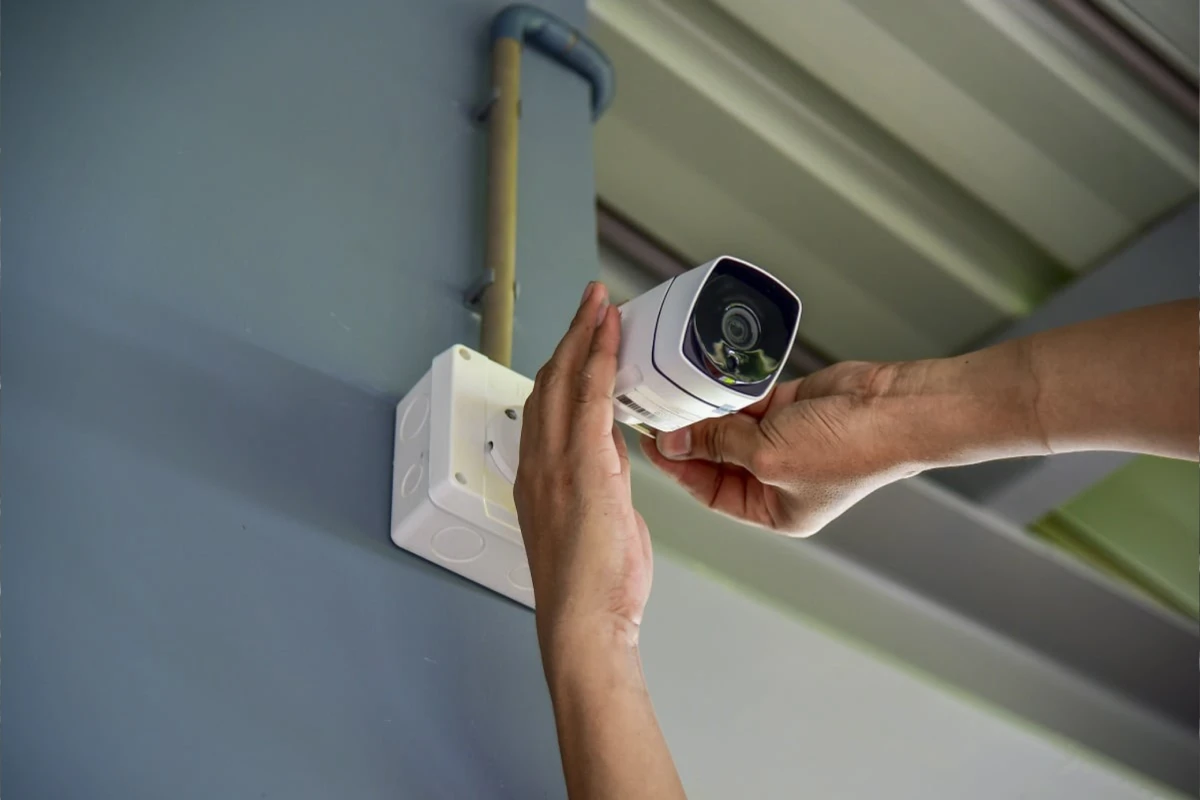
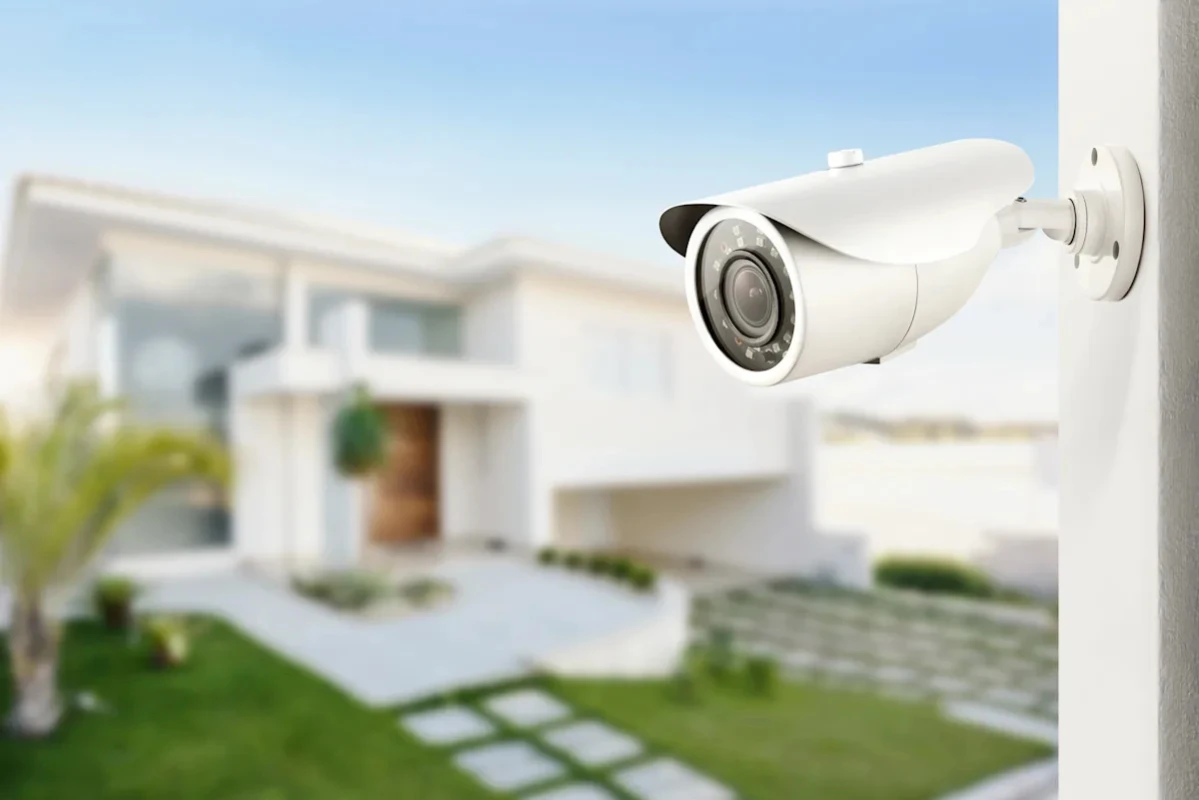
A camera mounted at a standard height works fine on a flat lot, but on a hillside property, that same placement can leave an entire section of the slope outside its field of view. A home security system in Studio City built around the property's actual grade accounts for these blind spots directly, rather than applying a placement plan designed for a completely different kind of lot.
Access Points Multiply on a Slope
Flat properties tend to have a predictable, limited number of approach routes. Hillside homes frequently have several: a driveway, a side path along the slope, sometimes even a rear access point from a lower street, and each one needs its own coverage rather than relying on a single front-facing camera to catch everything.
- A handful of considerations tend to matter more on a hillside property than they would on a flat one nearby.
- Multiple approach routes that each need their own camera coverage rather than a single front-facing view.
- Retaining walls and terraced landscaping that can create hidden approach paths from below.
- Longer response times for anyone arriving on foot, given the added distance and elevation change.
- Wind and drainage patterns specific to a slope that can affect equipment placement and durability.
Studio City home security planned with these factors in mind ends up looking noticeably different from a generic residential package, even on properties located just a short walk from each other.
Why Sightlines Change the Whole Plan
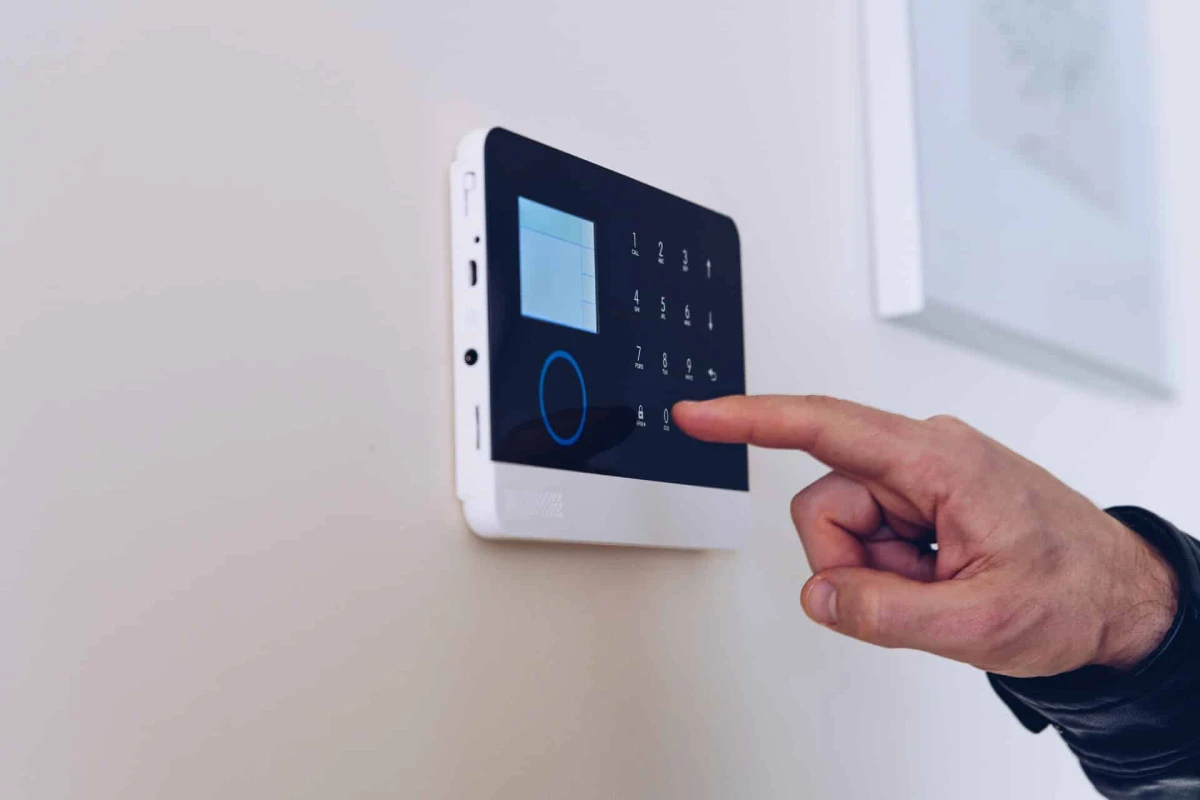
A hillside lot often has natural blind spots created by the terrain itself, areas where a homeowner simply can't see from inside the house, regardless of how many windows face that direction. A home security system in Studio City that pairs detection sensors with camera coverage handles those specific blind spots in a way that cameras alone, however good, genuinely can't replicate on this kind of property.
What a Proper Hillside Evaluation Actually Involves
A hillside system worth the investment starts with an evaluation that actually walks the property's grade, not just its front door. That evaluation identifies every realistic approach route, maps where terracing or retaining walls might hide movement, and places equipment specifically to cover what the terrain itself makes vulnerable.
A System Built for the Slope, Not Just the Street
A hillside home in Studio City deserves a security plan built around what actually makes that property different, not a generic package pulled from a flat-lot template. SecureIt Homes walks every property's grade directly during the evaluation, mapping access points and blind spots specific to that home's terrain. Studio City home security handled this way accounts for what the slope actually does, rather than assuming every home in the neighborhood needs the same setup. Reach out for a free evaluation built around your property's actual layout.
FAQs
Q: Why does a hillside property need different camera placement than a flat lot?
A: Elevation changes what a camera can actually see, and standard placement often leaves sections of a slope outside its field of view. Camera positioning has to account for the property's actual grade, not a generic layout.
Q: Do hillside homes typically have more entry points to secure?
A: Often yes, since driveways, side paths along the slope, and sometimes rear access from a lower street can all exist on the same property. Each of these routes generally needs its own coverage.
Q: Can retaining walls or terraced landscaping create security blind spots?
A: Yes, terracing and retaining walls can hide approach paths from view, especially from below the house. Detection sensors placed specifically to cover these areas help close that gap.
Q: Does a hillside evaluation take longer than a standard home visit?
A: It typically does, since the evaluation needs to walk the property's actual grade rather than just the front entrance. That extra time helps identify vulnerabilities a flat-lot walkthrough would miss entirely.
Q: Is equipment installed differently on a slope compared to a flat property?
A: In some cases, yes, since wind exposure, drainage, and mounting angles can all be affected by a slope. Equipment placement is adjusted accordingly during installation.